
A Guide to Working with Long Miles COFFEE
A Guide to Working with Long Miles COFFEE
OUR APPROACH TO PARTNERSHIP
At Long Miles, we meticulously oversee every step, from nurturing the land with our Coffee Scouts to precisely processing each lot at our washing stations. Direct control over the entire production ensures traceability with each lot having a direct line back to the hill it was grown. We aim for true taste of place and are excited to deliver consistently exceptional coffees to our partners.
Throughout this process, we are also driven by the principles of regenerative agriculture which inspires us to cultivate a sustainable future for the lands and people we work with. Nurturing the land and restoring ecosystems along the way is always a priority, and each harvest is a testament to those efforts.
We have a lot to offer and want to work with like-minded people who share our belief that coffee can be a force for good. Take a look below to see where you may fit in as one of our valued partners.
OUR APPROACH TO PARTNERSHIP
At Long Miles, we meticulously oversee every step, from nurturing the land with our Coffee Scouts to precisely processing each lot at our washing stations. Direct control over the entire production ensures traceability with each lot having a direct line back to the hill it was grown. We aim for true taste of place and are excited to deliver consistently exceptional coffees to our partners.
Throughout this process, we are also driven by the principles of regenerative agriculture which inspires us to cultivate a sustainable future for the lands and people we work with. Nurturing the land and restoring ecosystems along the way is always a priority, and each harvest is a testament to those efforts.
We have a lot to offer and want to work with like-minded people who share our belief that coffee can be a force for good.
Take a look below to see where you may fit in as one of our valued partners.
SAMPLING & PURCHASING
1-10 BAGS
For smaller orders from a specific origin, we often refer roasters to our importing partners. These partners hold a dedicated position of Long Miles coffee to cater specifically to our smaller clients. It’s not about passing off responsibility, but ensuring that all clients, regardless of size, receive the same level of care and attention that is necessary.
As a producer and exporter, we focus on our expertise, while remaining fully committed to supporting these partnerships. We’re available via email, phone, WhatsApp, etc., to provide you with the tools needed to represent our coffees effectively.
FOR SCALING ROASTERS
Whether you’re looking to integrate top micro lots at larger volumes or seeking juicy, fruit-filled coffees for single-origin offerings and blends, we have lots that can be tailor-made for you.
Looking for a specific component to round out a blend or perhaps a specific single origin profile? We’re just a message away and look forward to working with you to develop a lot just for you.
10+ BAGS
For roasters purchasing 10 or more bags annually from a single origin, you’ll collaborate closely with us as we select samples that fit your ideal lot. We’ll then work with our importing partners to find the perfect microlot for you.
Depending on availability, you may receive samples directly from us or through our trusted importer in your market for contracting and more.
SOCIAL INITIATIVES & PARTNER OPPORTUNITIES
In Burundi, coffee is the backbone of rural livelihoods. However, climate change, soil degradation, and outdated farming practices have reduced productivity, weakened incomes, and increased food insecurity.
In response, Long Miles Coffee has developed an integrated, community-centered approach that strengthens livelihoods, restores the environment, and builds long-term resilience.
COFFEE SCOUTS
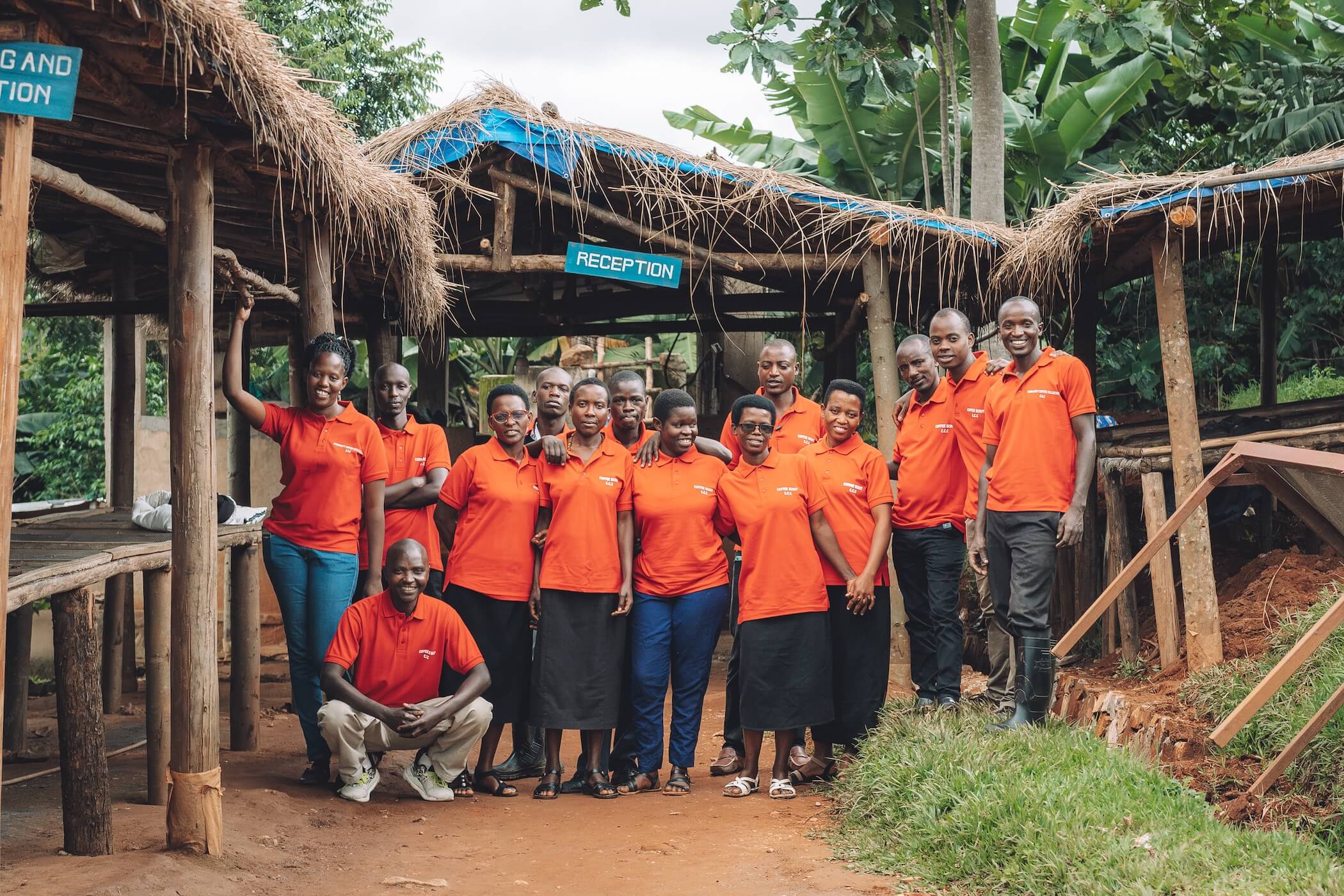
Long Miles Coffee trains Burundian youth from coffee-growing communities to become Coffee Scouts: local agricultural leaders who spearhead grassroots initiatives to enhance coffee quality and empower local farmers.
Working closely with agronomists, they combat issues like the potato defect, address the impacts of climate change, and equip farmers with tools for premium coffee production. By increasing income from coffee, families are better able to afford nutritious food, healthcare, education, and improved living conditions.
THEIR ROLE
• Provide hands-on farmer training
• Demonstrate best agronomic practices
• Monitor farm progress
• Encourage adoption of sustainable techniques
IMPACT
• Youth employment and leadership development
• Improved coffee yields and quality
• Increased household income
• Reduced rural unemployment
FARMER FIELD SCHOOLS (FFS)
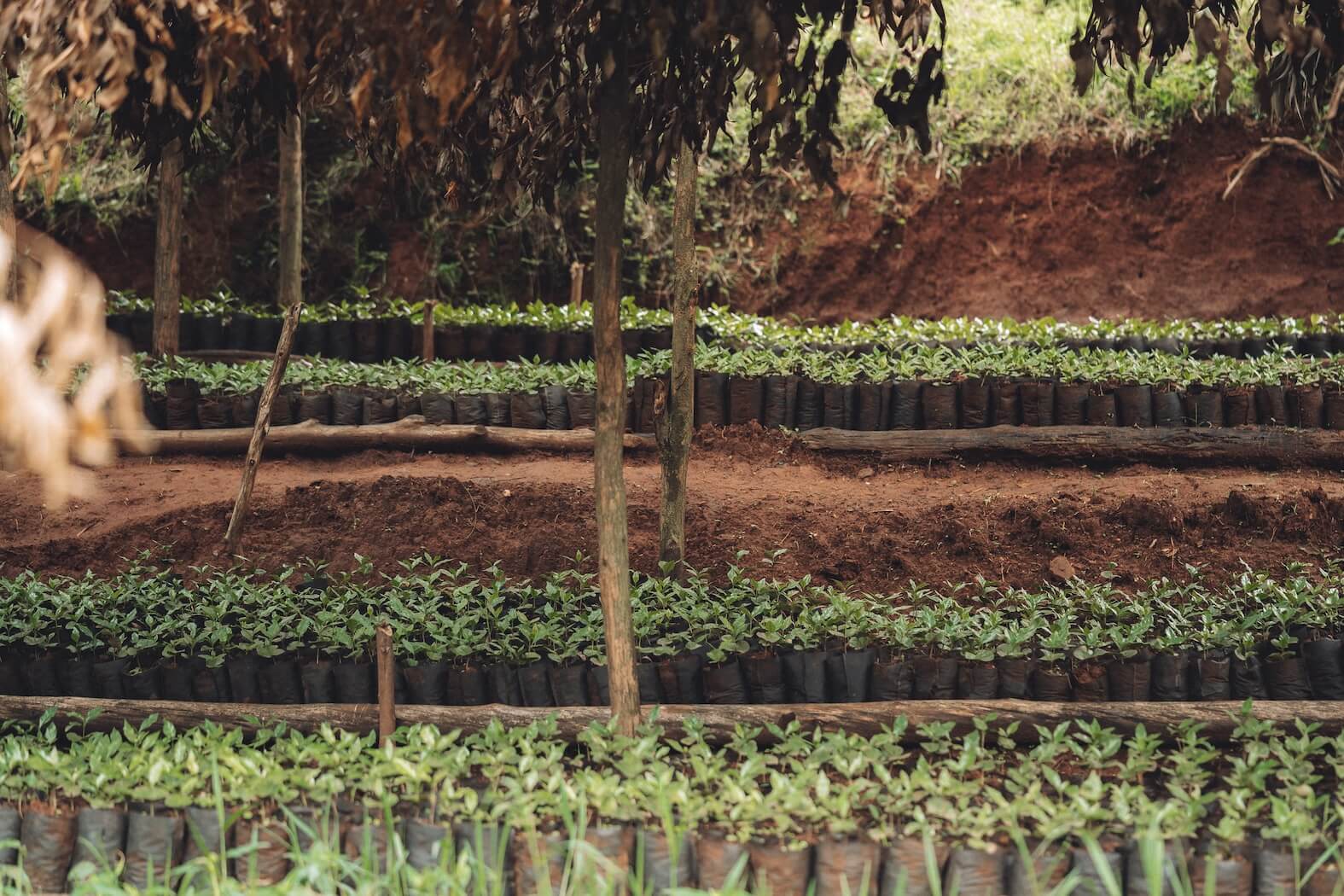
Together with farmers, the Long Miles Coffee Scouts set up Farmer Field Schools which are small model coffee farms. At these farms, anyone in the community can come to practice farming techniques, ask questions, and learn.
It’s our way of providing certification and training for farmers. The Farmer Field School model empowers experienced farmers to serve as peer educators. This peer-to-peer approach builds trust and ensures sustainability beyond project timelines.
IMPACT
• Strengthened community learning
• Faster adoption of best practices
• Increased productivity
• Improved food security
• Greater community collaboration
• Long-term behavioral change in farming practices
P.I.P “MBONIYONGANA” PROJECT
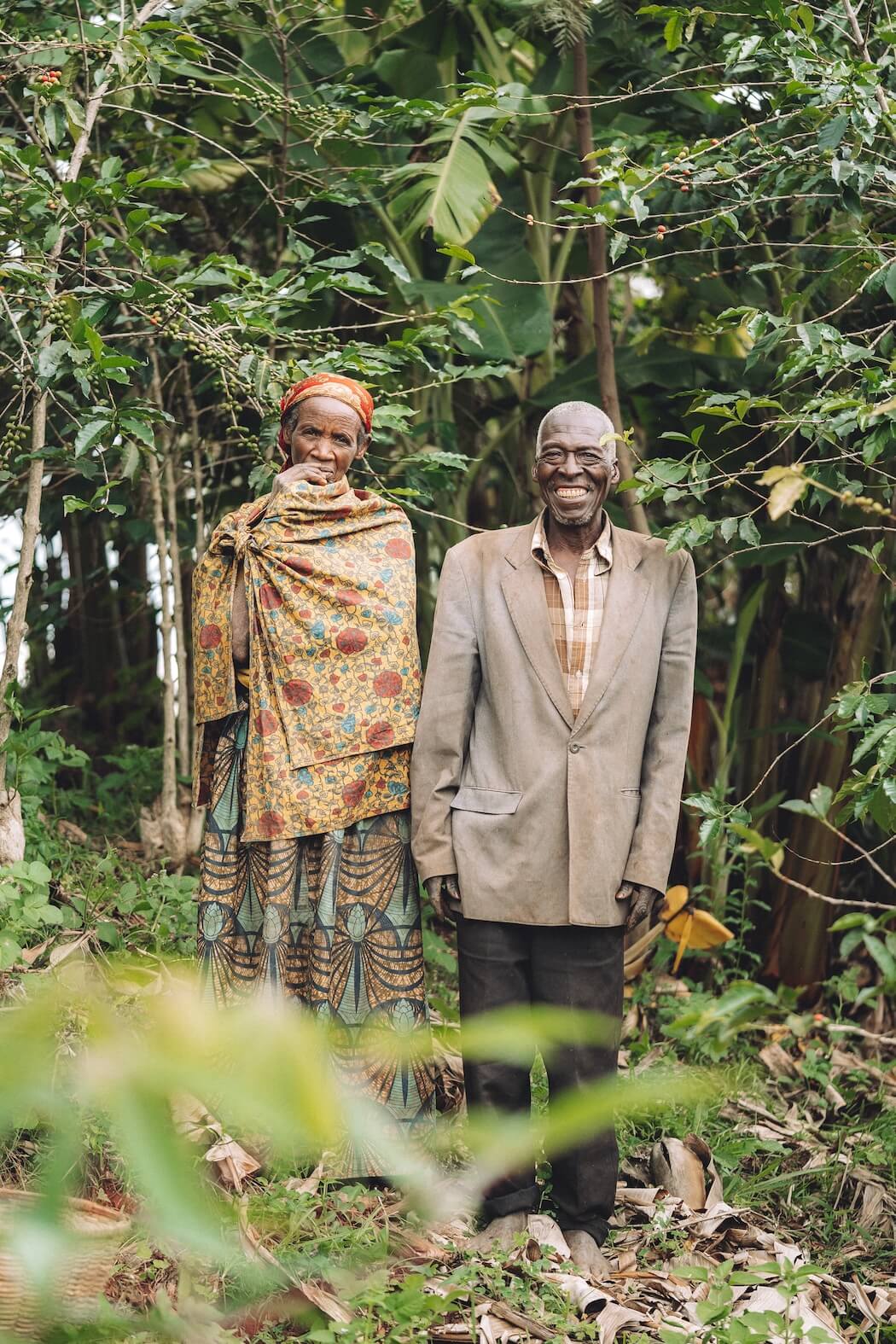
“Mboniyongana,” meaning “I see where I am going” in Kirundi, reflects a vision-driven approach to farming and family development. It is a comprehensive initiative that addresses land management, financial literacy, health, and life skills for local farmers.
Through a multifaceted approach, P.I.P (Producer Integrated Plan) supports whole family empowerment—strengthening women’s roles in decision-making and social cohesion, while helping families to not only cultivate their properties efficiently, but also develop essential life skills for a sustainable, thriving future.
FOCUS
• Whole-farm planning
• Income diversification beyond coffee
• Intercropping systems
• Efficient land use
• Long-term household goal setting
IMPACT
• Diversified household income
• Improved food availability
• Better nutritional diversity
• Increased self-reliance
SUSTAINABLE LAND MANAGEMENT PROJECT
Long Miles Coffee promotes land restoration and climate-smart agricultural practices. Healthier soils lead to healthier crops, stronger incomes, and improved community well-being.
IMPACT
• Reduced soil erosion
• Improved water retention
• Increased crop productivity
• Climate change mitigation
BROADER COMMUNITY IMPACT
Through sustainable land management, Long Miles Coffee is not only improving nutrition—it is transforming communities in multiple areas:
Economic Impact
• Increased coffee yields and quality
• Higher and more stable farmer incomes
• Livestock as productive assets
• Job creation for youth
• Reduced dependency on costly external inputs
Social Impact
• Strengthened community solidarity chains
• Empowerment of youth leaders
• Peer learning and collaboration
• Increased self-confidence among farmers
• Long-term vision planning within families
Nutrition & Health Impact
• Improved household food production
• Access to animal protein
• Diversified crops
• Increased purchasing power for nutritious food
• Reduced vulnerability to malnutrition
• Biodiversity protection
• Long-term environmental sustainability
COFFEE KIDS CAMP
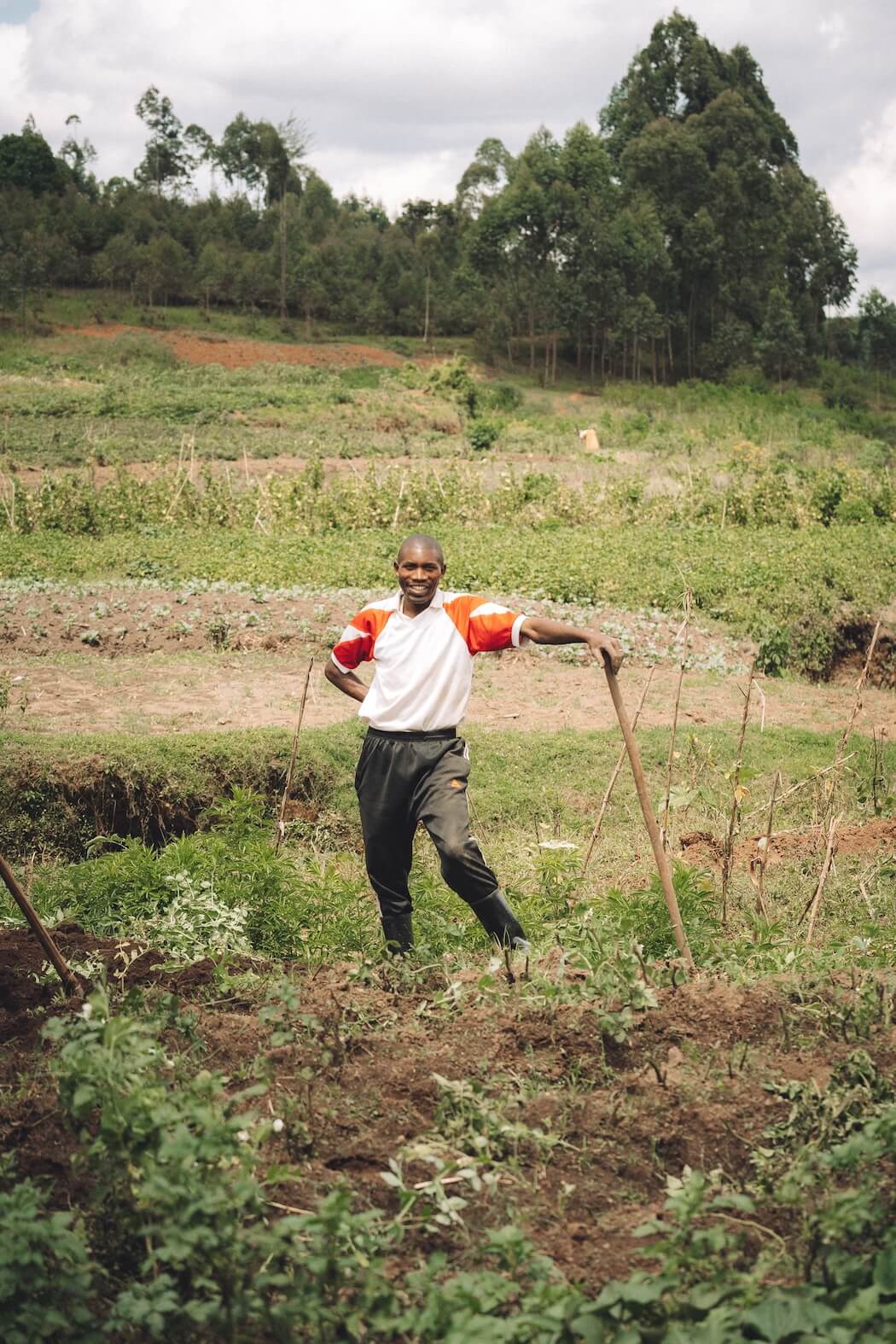
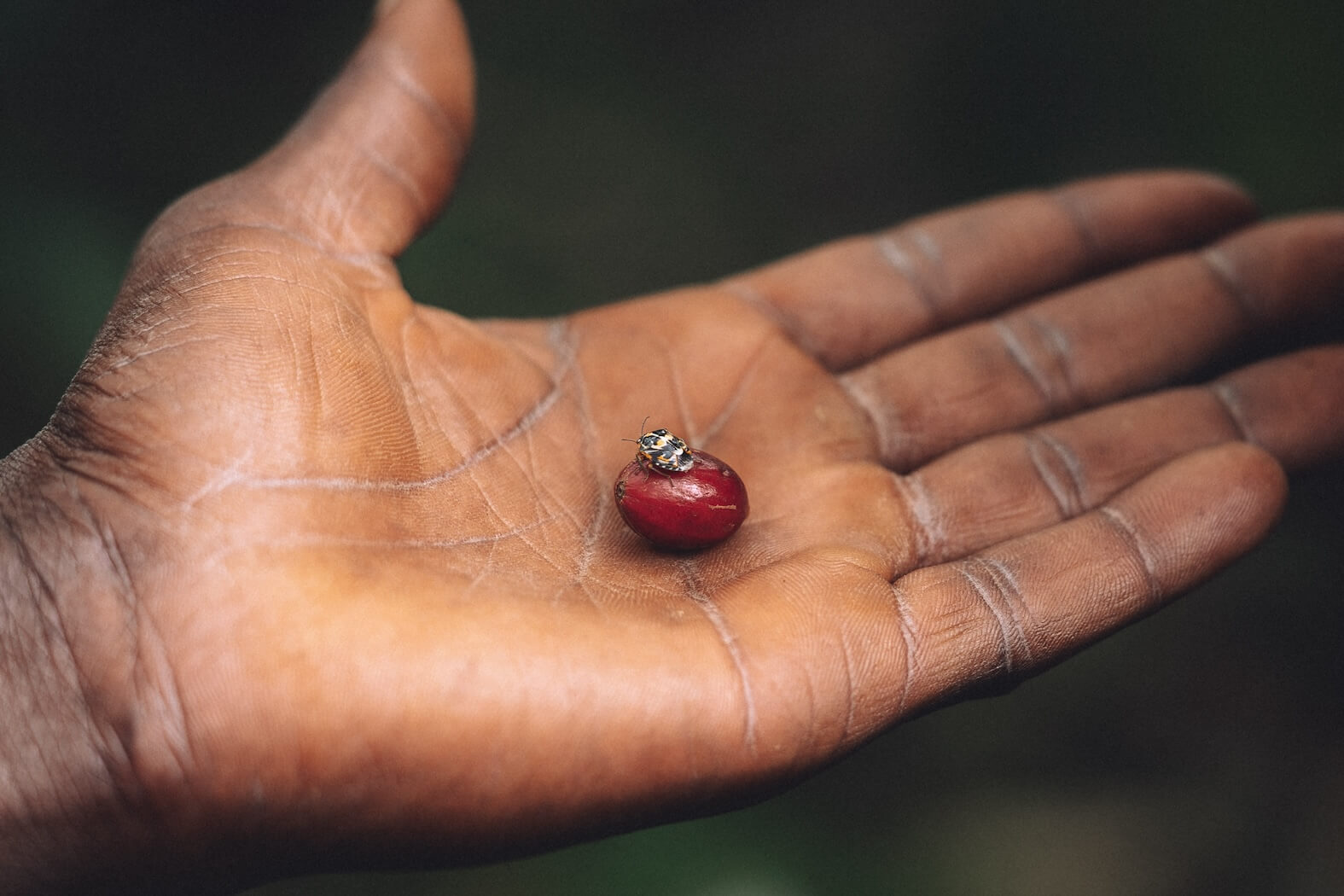
Coffee Kids Camp is led by our Agronomist Epaphras Ndikumana and run by our skilled Coffee Scouts team in Burundi. Through hands-on activities, kids learn about coffee farming, protecting crops from antestia bugs, food security, and core agronomy values.
A highlight of camp is a friendly competition to collect the most antestia bugs—all participants are rewarded with their books and school supplies for the year ahead. It’s a celebration we look forward to.
TREES FOR KIBIRA
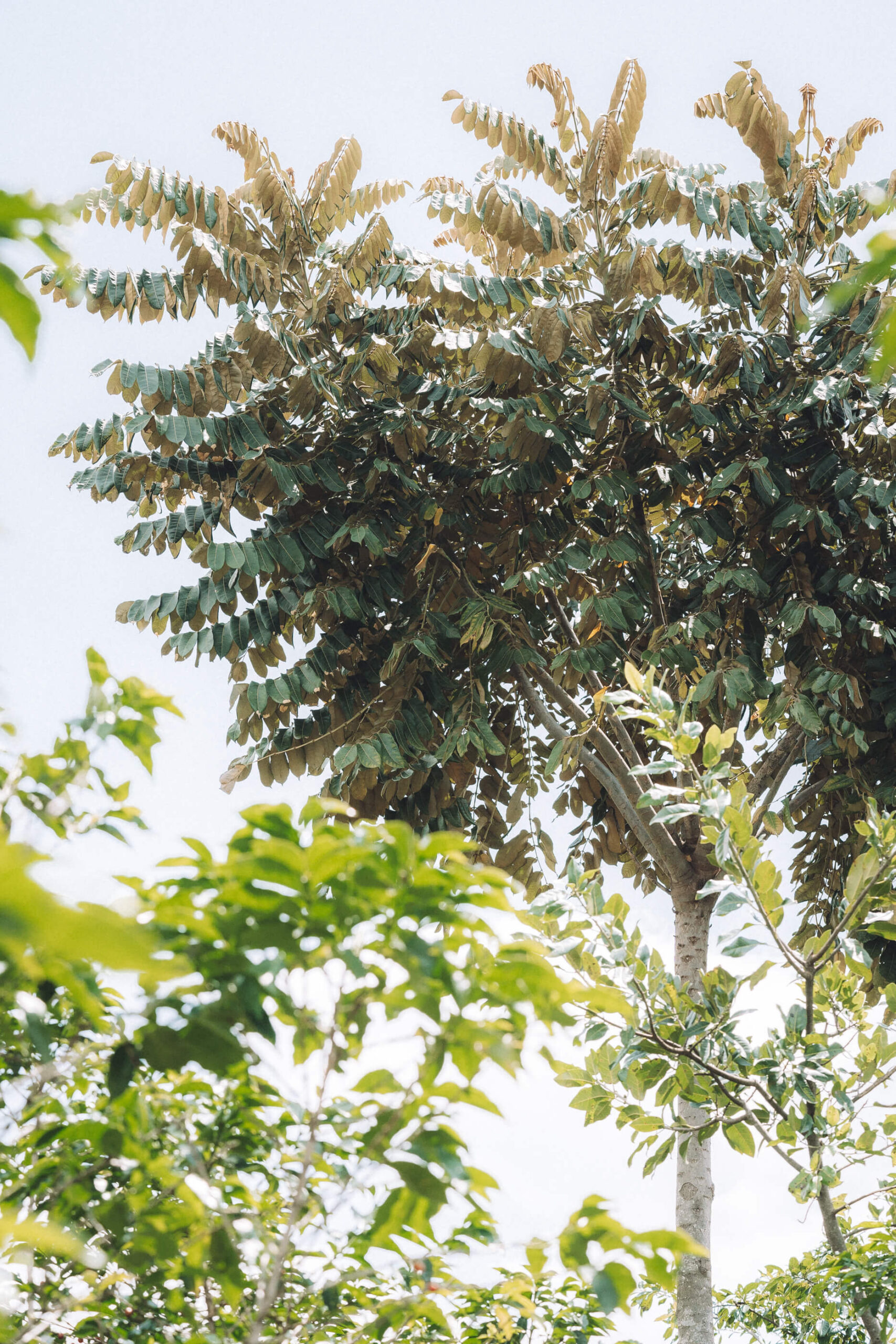
This reforestation project aims to rejuvenate Burundi’s Kibira Forest by planting indigenous trees in communities where our coffee is grown. It also creates jobs for the community and provides shade to coffee trees.
So far, we have planted 322,000 indigenous and agroforestry trees at a cost of $140 per 1,000 trees. Our goal for the upcoming planting season is to plant 500,000 trees.
HEZA REPAIR FUND
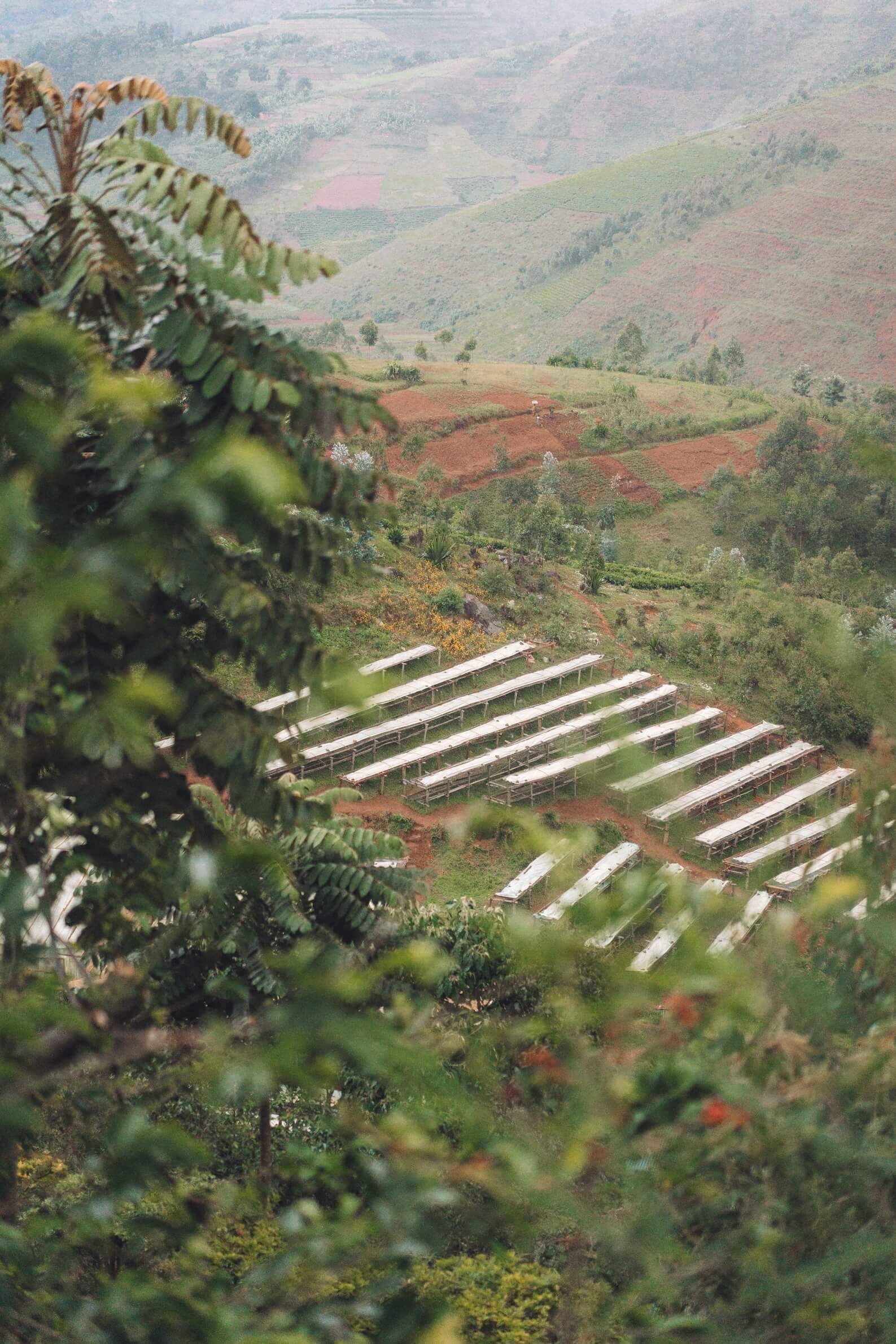
On April 17th, a landslide devastated Heza Washing Station. Damage included destruction of a retaining wall in the pulping area, a part of our pulping area, vegetation and a part of Gitwe farm is gone. In addition to this, an estimated 400 homes in the surrounding areas have experienced severe damage.
We count the clouds in Burundi and have always known that uncertainty is right around the corner. We prepare as much as possible, but this time we need your help.
In addition to rebuilding the parts of Heza that were destroyed, we’re raising funds to rebuild homes that were impacted. A $50 donation supports enough metal sheets for one house. We’re running this fundraiser for 2-months to ensure that the community is assisted as soon as possible.
We’re currently amidst a harvest that’s in full swing, and adapting to the destruction the best we can. We appreciate your support in advance!
SUSTAINABILITY & ORGANIC FARMING PROJECT
This project focuses on restoring soil fertility and promoting environmentally friendly farming practices through two complementary approaches. The first is Organic Manure Production Through Livestock Raising. This component strengthens soil health while creating a Community Solidarity Chain.
KEY ACTIVITIES
• Distribution of pigs to selected farmers
• Distribution of cows as part of the expansion phase
• Training farmers in livestock management and organic manure use
IMPACT
• Improved soil fertility through natural manure
• Increased coffee yields and quality
• Additional income sources from livestock
• Strengthened solidarity through farmer-to-farmer support
• Reduced reliance on chemical fertilizers
• Improved household nutrition through access to protein
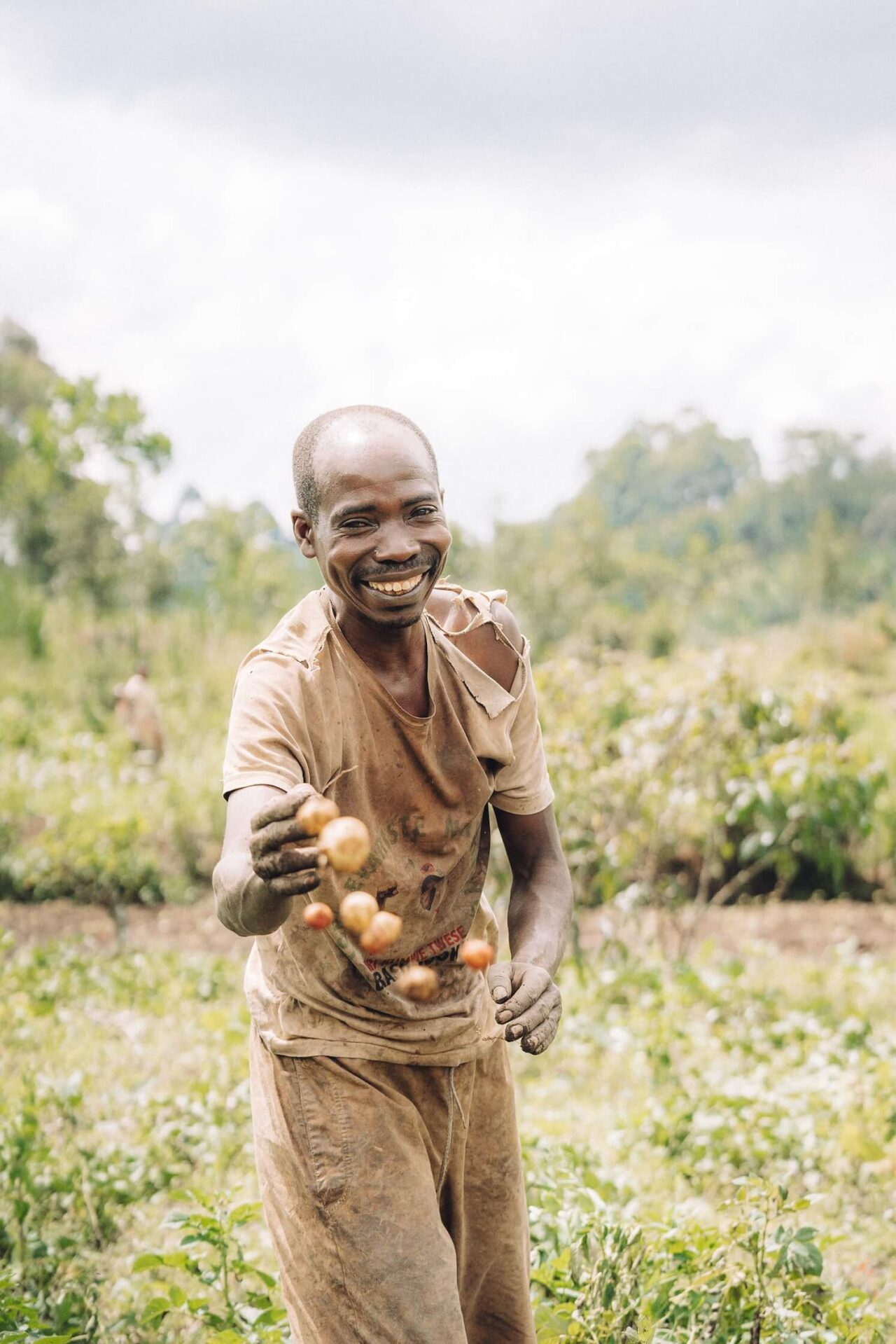
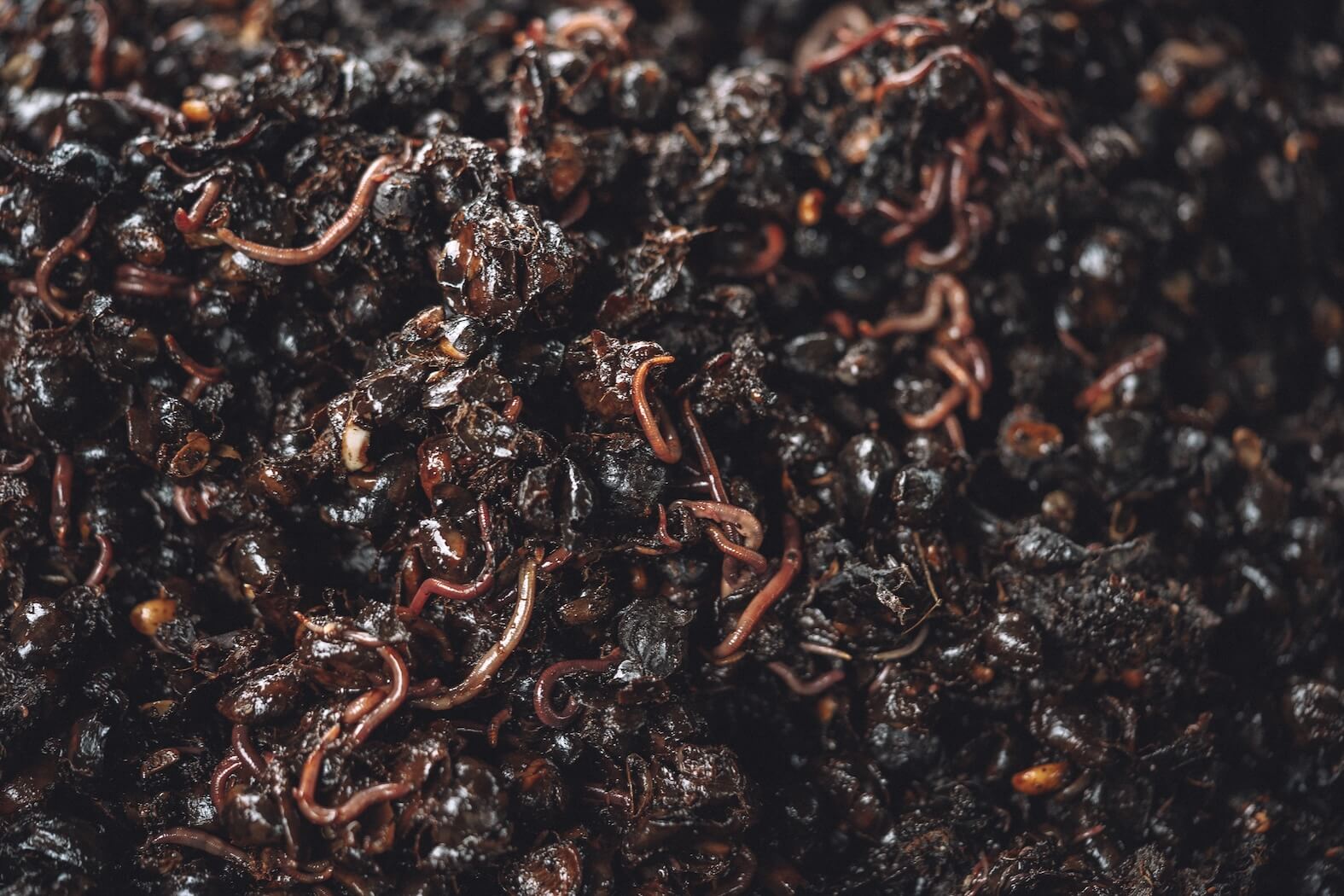
The Community Solidarity Chain ensures that beneficiaries pass on livestock offspring to other farmers, multiplying the impact across the community. The second approach is Organic Manure Production Through Composting. This component promotes compost production using locally available materials and strengthens farmers’ capacity to manage soil fertility sustainably.
KEY ACTIVITIES
• Training of Coffee Scouts and Washing Station Managers
• Farmer training on compost preparation and application
• Practical demonstrations on farm-level compost production
IMPACT
• Restoration of degraded soils
• Reduced production costs
• Increased climate resilience
• Improved coffee quality
• Empowerment through knowledge transfer
• Environmentally sustainable farming practices
OVERALL OBJECTIVES
• Improve soil health
• Increase coffee production and quality
• Strengthen farmer incomes
• Build resilience to climate change
• Reduce environmental degradation
• Improve household food security
SOCIAL INITIATIVES & PARTNER OPPORTUNITIES
In Burundi, coffee is the backbone of rural livelihoods. However, climate change, soil degradation, and outdated farming practices have reduced productivity, weakened incomes, and increased food insecurity.
In response, Long Miles Coffee has developed an integrated, community-centered approach that strengthens livelihoods, restores the environment, and builds long-term resilience.
COFFEE SCOUTS
Long Miles Coffee trains Burundian youth from coffee-growing communities to become Coffee Scouts: local agricultural leaders who spearhead grassroots initiatives to enhance coffee quality and empower local farmers.
Working closely with agronomists, they combat issues like the potato defect, address the impacts of climate change, and equip farmers with tools for premium coffee production. By increasing income from coffee, families are better able to afford nutritious food, healthcare, education, and improved living conditions.
THEIR ROLE
• Provide hands-on farmer training
• Demonstrate best agronomic practices
• Monitor farm progress
• Encourage adoption of sustainable techniques
IMPACT
• Youth employment and leadership development
• Improved coffee yields and quality
• Increased household income
• Reduced rural unemployment
FARMER FIELD SCHOOLS (FFS)
Together with farmers, the Long Miles Coffee Scouts set up Farmer Field Schools which are small model coffee farms. At these farms, anyone in the community can come to practice farming techniques, ask questions, and learn.
It’s our way of providing certification and training for farmers. The Farmer Field School model empowers experienced farmers to serve as peer educators. This peer-to-peer approach builds trust and ensures sustainability beyond project timelines.
IMPACT
• Strengthened community learning
• Faster adoption of best practices
• Increased productivity
• Improved food security
• Greater community collaboration
• Long-term behavioral change in farming practices
P.I.P “MBONIYONGANA” PROJECT
“Mboniyongana,” meaning “I see where I am going” in Kirundi, reflects a vision-driven approach to farming and family development. It is a comprehensive initiative that addresses land management, financial literacy, health, and life skills for local farmers.
Through a multifaceted approach, P.I.P (Producer Integrated Plan) supports whole family empowerment—strengthening women’s roles in decision-making and social cohesion, while helping families to not only cultivate their properties efficiently, but also develop essential life skills for a sustainable, thriving future.
FOCUS
• Whole-farm planning
• Income diversification beyond coffee
• Intercropping systems
• Efficient land use
• Long-term household goal setting
IMPACT
• Diversified household income
• Improved food availability
• Better nutritional diversity
• Increased self-reliance
SUSTAINABLE LAND MANAGEMENT PROJECT
Long Miles Coffee promotes land restoration and climate-smart agricultural practices. Healthier soils lead to healthier crops, stronger incomes, and improved community well-being.
IMPACT
• Reduced soil erosion
• Improved water retention
• Increased crop productivity
• Climate change mitigation
BROADER COMMUNITY IMPACT
Through sustainable land management, Long Miles Coffee is not only improving nutrition—it is transforming communities in multiple areas:
Economic Impact
• Increased coffee yields and quality
• Higher and more stable farmer incomes
• Livestock as productive assets
• Job creation for youth
• Reduced dependency on costly external inputs
Social Impact
• Strengthened community solidarity chains
• Empowerment of youth leaders
• Peer learning and collaboration
• Increased self-confidence among farmers
• Long-term vision planning within families
Nutrition & Health Impact
• Improved household food production
• Access to animal protein
• Diversified crops
• Increased purchasing power for nutritious food
• Reduced vulnerability to malnutrition
• Biodiversity protection
• Long-term environmental sustainability
COFFEE KIDS CAMP
Coffee Kids Camp is led by our Agronomist Epaphras Ndikumana and run by our skilled Coffee Scouts team in Burundi. Through hands-on activities, kids learn about coffee farming, protecting crops from antestia bugs, food security, and core agronomy values.
A highlight of camp is a friendly competition to collect the most antestia bugs—all participants are rewarded with their books and school supplies for the year ahead. It’s a celebration we look forward to.
TREES FOR KIBIRA
This reforestation project aims to rejuvenate Burundi’s Kibira Forest by planting indigenous trees in communities where our coffee is grown. It also creates jobs for the community and provides shade to coffee trees.
So far, we have planted 322,000 indigenous and agroforestry trees at a cost of $140 per 1,000 trees. Our goal for the upcoming planting season is to plant 500,000 trees.
HEZA REPAIR FUND
On April 17th, a landslide devastated Heza Washing Station. Damage included destruction of a retaining wall in the pulping area, a part of our pulping area, vegetation and a part of Gitwe farm is gone. In addition to this, an estimated 400 homes in the surrounding areas have experienced severe damage.
We count the clouds in Burundi and have always known that uncertainty is right around the corner. We prepare as much as possible, but this time we need your help.
In addition to rebuilding the parts of Heza that were destroyed, we’re raising funds to rebuild homes that were impacted. A $50 donation supports enough metal sheets for one house. We’re running this fundraiser for 2-months to ensure that the community is assisted as soon as possible.
We’re currently amidst a harvest that’s in full swing, and adapting to the destruction the best we can. We appreciate your support in advance!
SUSTAINABILITY & ORGANIC FARMING PROJECT
This project focuses on restoring soil fertility and promoting environmentally friendly farming practices through two complementary approaches. The first is Organic Manure Production Through Livestock Raising. This component strengthens soil health while creating a Community Solidarity Chain.
KEY ACTIVITIES
• Distribution of pigs to selected farmers
• Distribution of cows as part of the expansion phase
• Training farmers in livestock management and organic manure use
IMPACT
• Improved soil fertility through natural manure
• Increased coffee yields and quality
• Additional income sources from livestock
• Strengthened solidarity through farmer-to-farmer support
• Reduced reliance on chemical fertilizers
• Improved household nutrition through access to protein
The Community Solidarity Chain ensures that beneficiaries pass on livestock offspring to other farmers, multiplying the impact across the community. The second approach is Organic Manure Production Through Composting. This component promotes compost production using locally available materials and strengthens farmers’ capacity to manage soil fertility sustainably.
KEY ACTIVITIES
• Training of Coffee Scouts and Washing Station Managers
• Farmer training on compost preparation and application
• Practical demonstrations on farm-level compost production
IMPACT
• Restoration of degraded soils
• Reduced production costs
• Increased climate resilience
• Improved coffee quality
• Empowerment through knowledge transfer
• Environmentally sustainable farming practices
OVERALL OBJECTIVES
• Improve soil health
• Increase coffee production and quality
• Strengthen farmer incomes
• Build resilience to climate change
• Reduce environmental degradation
• Improve household food security
NO MATTER YOUR NEEDS, WE LOOK FORWARD TO BRINGING LONG MILES COFFEE TO YOU.
Fill out the short form below to request samples and learn more about how you can build a deeper relationship with us as a producer-partner.