Author: longmilescoffee

  • Climate Change in East Africa, Part 1: Considering the impacts of climate change on East Africa

    Climate Change in East Africa, Part 1: Considering the impacts of climate change on East Africa

    It is widely accepted amongst the scientific community that a warming climate will, at best, prove challenging for agriculture. At worst, many regions will no longer be able to produce crops of historical and financial importance to that region. Farming coffee will continue to be particularly challenging in a warming climate. In a new model released by National Geographic on the expected global suitability for growing coffee in an increasingly warming planet, four of the current top five producing countries are predicted to have a decreased suitability for coffee production between now and 2050.

    According to this research, it appears that Burundi is predicted to remain suitable for growing coffee. However, the modeling shows Kenya speckled with pockets of improved adequacy, no change in some areas, and other areas worsening. Our best-case scenario is unpredictable optimism. Not particularly reassuring when you produce a crop that requires some degree of predictability.

    This is similar for Uganda, where some areas in the south are projected to become better suited to growing coffee, while many areas in the north will start to experience decreased suitability. The tropical climate of Uganda usually sees stable rainfall patterns. However, seasons have noticeably shifted and the country is now experiencing shorter or longer periods of rain with harsher droughts, as verified by the farmers we work with.

    Although the amount of land suitable for producing Arabica coffee is projected to remain stable in Burundi, Burundi is where we are noticing many dramatic impacts from climate change as the country has been marred by severe and damaging floods, landslides, high winds, as well as brutal dry spells. These shifting weather patterns seem to be increasingly unpredictable and extreme.

    Kenya is highly susceptible to climate change, with the average temperature expected to rise by 2.5°C from 2000 to 2050. Rainfall across the region seems to be generally becoming more intense and less predictable. The acceleration of deforestation seems to have further exacerbated the impact of flooding felt by farmers. 

    Sustainability is a weighty word. Especially in coffee where being truly sustainable is very rightly questioned. We believe sustainability starts at the ground level and we have big ambitions. The key to this is trees. The biggest known negative impact of farming across the globe is deforestation. 

    This is why we started our LMCP reforestation project. We’re planting 550,000 indigenous trees in each nation that we operate in, including 550,000 each in two different regions of Kenya for a total of 1.1 million in that country. That’s 2.2-million trees altogether in Burundi, Kenya, and Uganda, over the course of this year and a target of 13.2 million trees over the next six years.

    Epaphras Ndikumana, our Social and Environment Impact Manager in Burundi, has collected invaluable anecdotal evidence from Bukeye, Heza, and Ninga – our Burundian washing stations – and the farmers with whom we partner at each of those stations. In February 2022, hailstorms and rain damaged over 340 farms serviced by these washing stations, according to his records. Just a year prior to this in February 2021, the spread of coffee berry disease was rampant due to fluctuating temperatures and 356 coffee farms were attacked and experienced low production. 

    Epaphras has characterized what he believes are the effects of climate change in Burundi by three main extreme climate events:

    • The hail storms: Occurring generally during the rainy seasons (from October to April), they are more frequently causing major damage to coffee trees and affecting the volume of coffee produced.
    • Rains ending prematurely (mid-May): This affects coffee cherries that are in the ripening stage. Without enough rain, cherries dry up prior to harvest. In 2021, we quantified a loss of around 12% on average due to lack of ripening rains.
    • Lengthened dry season: The long-dry season usually runs from mid-June to the end of August or Mid-September. However, the dry season now extends from mid-May through to the end October or mid-November – sometimes three months longer. The prolonged lack of rain during this period greatly affects the potential productivity of coffee trees, especially newly planted trees and those planted in marginalized soils.
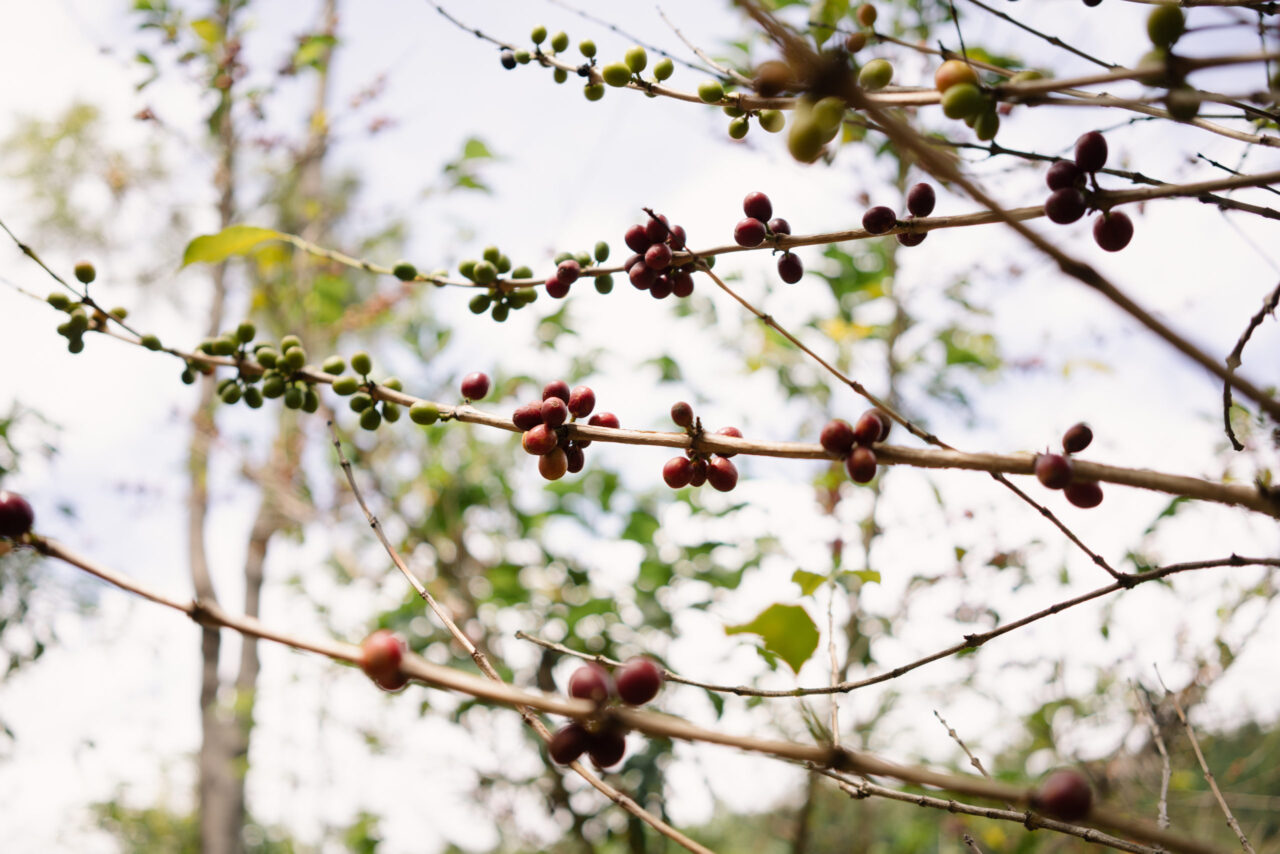
    Coffea Arabica (one of two species of coffee produced for consumption, the other being Coffea Canephora, or Robusta) appears to be one of the crops worst affected by climate change globally, with a major decline in suitability in common coffee regions expected by 2050 due to increasing annual temperatures and relative humidity. With coffee consumption projected to double between now and 2050, this creates quite the conundrum. To weather these climatic changes, coffee growers are being forced to adapt their production methodology. Once again, it is those individuals furthest back in the supply chain who are feeling the impacts of climate change in the most acute way. Impacts caused by the specialty coffee consuming countries’ over-consumption of nearly all resources. In coffee, we tend to talk about “producing” countries and “consuming” countries. This system of labeling is sadly accurate on more than one level.

    Although exploring more climate-hardy varieties may be our best solution, it is not a realistic immediate solution for large communities of coffee growers who aren’t afforded the luxury of the latest research and who are, instead, expected to ride the waves of shifting weather patterns and the global coffee market, accepting impossibly low prices that at best maintain their standard of living and at worst (and quite frequently) do not even cover their cost of production. With earnest research into climate-hardy (and ideally delicious) varieties only just recently beginning, we are in a race against climate change to find alternative solutions and gauge their sustainability for both farmers and the environment.

    In our second installment of the Climate Change blog series, we will unpack how climate change is directly impacting the people behind the coffee and share what we are doing to try to help mitigate the effects for farmers. To learn more about Long Miles Coffee please visit our website. https://www.longmilescoffeeproject.com/.

    Sources:

    https://www.nationalgeographic.com/environment/article/what-climate-change-means-for-future-of-coffee-cashew-avocado

    https://blogs.worldbank.org/africacan/building-resilience-land-3000-collines-rooting-out-drivers-climate-fragility-burundi

    https://www.reuters.com/article/us-climate-change-kenya-tea-idUSKBN2CR1Q6
  • DEEPENING CONNECTIONS

    DEEPENING CONNECTIONS

    One of our core values is ‘Ubuntu’. The philosophy of ‘Ubuntu’ is applied in many cultures across East and Southern Africa. Its meaning can be translated as “I am, because we are”, and it emphasizes a humanity towards others.

    It matters so much to our team and to the farmers that we partner with that we operate with a spirit of togetherness. We wholly felt this reconnection of togetherness at the recent SCA Expo in Boston. It was so good to see people from all over the world gather for coffee once again. The event represents how truly communal coffee is and why we love being a part of it so much. This was our first SCA since 2018 and we left over-caffeinated and with full hearts.

    The biggest highlight was encapsulated in a simple moment for Ben – going to specialty coffee legend George Howell’s cafe in the Godfrey Hotel, and drinking one of the coffees that inspired the start of our Kenya project – Mamuto, 2018 Harvest. What made this such a great moment wasn’t just drinking this amazing coffee again, but witnessing the intersection of relationship and coffee; the experience of drinking this vintage in the company of friends. The memories, associations, and nuances of coffee added to the experience created between an American, a Colombian, and a Brazilian discussing how to make coffee more sustainable.

    Freezing coffee seems to be an idea that more and more roasters are exploring or embracing, although out of the roasters we work with, few are exploring it as sincerely as George. In fact, we can only think of two other roasters – Phil & Sebastian and Passenger Coffee – who, like George, freeze the entirety of their green (unroasted) coffee inventory. We do, however, know of a number of roasters experimenting with freezing as a way to solve or alleviate acute inventory problems. For specialty coffee, it is seen as a cutting-edge way to safeguard flavor. It keeps coffee from fading and developing the off-flavors associated with aging (namely paper and wood), but requires large amounts of space, time, and financial resources. 

    But above the process – the real connection to our project in Kirinyaga is that since 2016, we had been thinking about how we would move into the Kenyan coffee space and where we could add value through the spirit of Ubuntu. We didn’t want to just be coffee exporters, but producers – to dig deeper into the how and why we actually produce coffee.

    And this is the journey we continue along now. Please connect with us if you’d like to know more about our journey. 

    With love,

    Ben & Kristy

    https://coffeeexpo.org/

  • Reduced Oxygen Fermentation

    Reduced Oxygen Fermentation

    At Long Miles, although we uphold a pioneering spirit, we relish tried and true techniques and processes that we have worked hard to master. We are so excited with the results of the reduced Oxygen Fermentation process we undertook on a number of day lots from Gitwe Hill last season. 

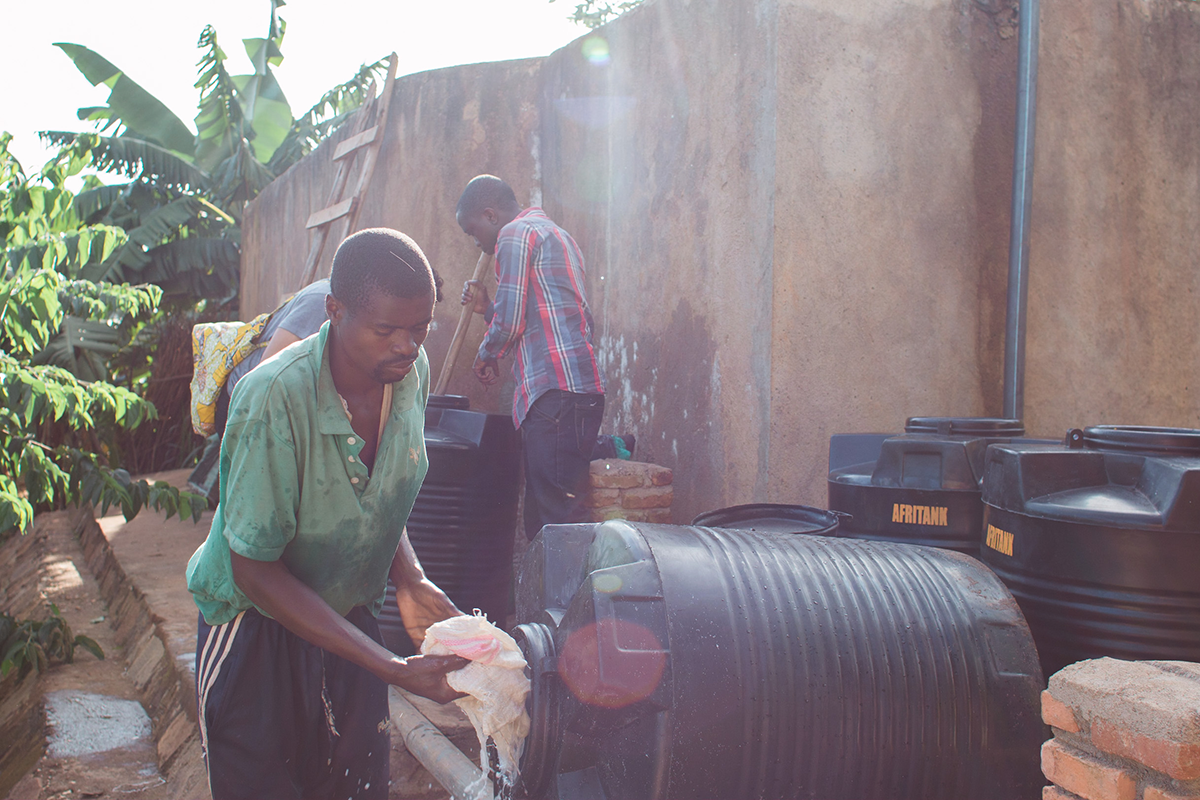
    To create these lots, cherries from Gitwe hill were de-pulped and the mucilage-coated parchment was placed into plastic Afri-tanks. These tanks are seen commonly in Burundi, often used to store potable water. The tanks were then sealed, for between 36 and 72 hours, creating a reduced-oxygen environment.

    After this reduced-oxygen fermentation, the parchment coffee follows the same route as other washed coffee: the coffee is washed in grading channels to remove the (now slack) mucilage, graded for density, and then dried on raised beds.

    We first produced this type of coffee in 2020 and are now in our third year. We have been calculated in pushing these types of fermentation as we always strive to create lots that are unquestionably clean and clearly expressive of Burundi terroir. 

    That said, even though the lots we have produced so far seem to have minimal impact from processing, we certainly note slightly increased fruit complexity in both the aroma and the cup.

    As big-picture thinkers, we see opportunity and the potential to continually evolve through innovative processes that can add value. This is vital, not only for the coffee industry, but for our future-focussed business where we envision an industry that always seeks to innovate and renew for the benefit of all stakeholders.

    If you want to know more about our processes, please get in touch.

  • FLAVORS OF EAST AFRICA

    FLAVORS OF EAST AFRICA

    There are a myriad of factors that can impact the flavors that end up in your cup of coffee. Influences on taste start with the growing environment, then processing, and end with roasting and brewing.

    We can do very little to control the environment, so our focus is on how we process coffees from different regions in order to draw out, and not inhibit, their innate characteristics. We work with what the earth gives us and join hands with our roasting partners to all play a part in the final product. But before we get there, the environment has had her say – through altitude, climate, soil type, soil microbiome, and typography. Each of these factors differ not only from country to country, but region to region, and even hill to hill.

    We know the coffee journey from cherry to cup is complex. Our aim is to honor the complexity of flavors inherent in each of the countries we operate in.

    There is a tendency within the coffee industry to talk about Latin American coffees and East African coffees as two broad and distinct flavor profiles. This dichotomy typecasts coffees from Latin America as low acidity, less aromatic, and overall simple – whereas coffees from Africa are typecast as bright, complex, and oftentimes aggressive.

    This way of thinking is a disservice to both Latin American and East African Coffees as both geographical areas produce an incredible variety of flavor profiles. Let’s dive into the broad flavor profiles of Burundi, Kenya, and Uganda – the three East African countries in which Long Miles is currently producing coffee.

    FLAVORS OF BURUNDI

    Of course we may be biased, but we believe that top quality lots from Burundi can present some of the most refined and complex coffees found anywhere.

    Almost without exception, we find that these coffees tend to have a base reminiscent of black tea (as opposed to the chocolatey-bases found in coffees from some other regions). 

    The sweetness found in these coffees is comparable to molasses. Never nutty, top quality Burundi lots are defined by their fruited acidity. Some coffees possess distinct citrus and stone fruit character, while others tend toward cooked berries – sometimes even possessing a blackberry/black currant character, though never with the same intensity of acidity as a Kenyan coffee.

    FLAVORS OF KENYA

    Kenyan coffees exist in a class of their own. Known for their intensity of flavor, incredible sweetness, and bright acidity, coffees from Kenya tend to be favorites amongst coffee professionals.

    Their unique structure is primarily related to their acidity. The acidity of a coffee so greatly affects the perceived sweetness of the coffee which, in turn, so greatly affects the perceived mouthfeel. The piquant acidity of a Kenyan coffee makes for a cup that is balanced by all of these characteristics being amplified.

    Where does this intensity of flavor come from? There is no easy answer. It is likely an infinitely complex combination of factors including the SL varieties grown, the volcanic soil, the climate and processing – plus so much more.

    What is clear, however, is that these are special coffees. Complex fruit characteristics ranging from cooked berries to tropical fruit can be found in the cup and many coffees possess floral aromatics. The most prized lots have a distinct blackberry character that is truly remarkable.

    FLAVORS OF UGANDA

    Like many coffees produced in the regions surrounding the African Great Lakes, Ugandan coffees tend to have a clear black tea-like base with a sweetness reminiscent of molasses.

    The acidity in these coffees can be citric but is typically well integrated into the cup profile in a way that adds structure as opposed to being overt. The best lots we have tasted have a cooked, dark berry character similar to some Kenyan coffees.

  • NEWS FROM BURUNDI

    NEWS FROM BURUNDI

    As highlighted in “Where has the coffee gone?”, 2021 was not the season we had all expected and hoped for.

    Production was devastatingly low, with cherry volumes at roughly half of what they should be for Long Miles to break-even. The financial challenges we faced, and continue to face, were compounded by the fact that this was the third such harvest in a row.

    Early this past season, once the reality of the harvest volumes began to settle in, we decided to make the best of a bad situation. Come what may, 2021 would be the year that we landed coffee in destination markets in October. Our hope was that the small volume would make this a more attainable goal. At the end of August, our first container was ready to ship and the export paperwork was in order. 

    Unlike many coffee producing countries which have a seaport, Burundi is landlocked. Coffee needs to be trucked to a seaport in a neighbouring country before the coffee can get on a ship. The lion’s share of Burundi coffee ships out of Dar es Salaam, Tanzania. 

    Our first container of coffee was in Dar es Salaam in early September. Coffee often waits seven to ten days in Dar while a ship booking is confirmed. However, our container moved at what we now know as the very beginning of a still-ongoing, East African shipping crisis. Container availability is and has been incredibly rare and sailings out of East Africa to both Europe and North America (though, North America in particular) are even more few and far between.

    What is normally a brief and uneventful portion of the coffee’s overall trip from Burundi to Europe, North America, Australia, South Africa, or elsewhere, became a very protracted (and stressful) portion of this container’s – and more broadly, last year’s – story. The coffee sat in a bonded warehouse in Dar for over three months, finally sailing mid-December. There were, simply put, no available containers and then no available ships.

    However, it was not a year without any positive news to report. In fact, we can proudly say that, while the volume produced was quite paltry, the quality produced in 2021 was spectacular. Our teams at Bukeye, Heza, and Ninga washing stations continue to produce better, more consistent coffee. We could not be prouder of the work they are doing and the quality they are producing.

    While the global shipping crisis ultimately defeated our efforts to land coffee in October, our logistics situation is not all for naught. Thanks to our team in Burundi and our logistics partners Royal Coffee and Osito Coffee, the 2021 coffees were not behind schedule compared to a typical year. 

    While we were aiming to improve upon a “typical year”, performing as well as (and in fact, better than, in some regards) a typical year, is no mean feat considering the current state of logistics. In fact, thanks to Osito Coffee, our Europe-bound container landed at the end of December – the earliest that a container from Long Miles Burundi will have ever landed in Europe!

  • Where Has The Coffee Gone?

    Where Has The Coffee Gone?

    During every single harvest we are faced with unwelcome surprises.

    Whether we are blindsided by a drought, a coup attempt, ill-timed rains, a fuel shortage, or a demanding new government policy; we have learned to expect the unexpected. And yet, 2021 has been able to present some challenges that still feel shocking. The 2021 harvest brought three very big surprises in Burundi: a small crop, a new government policy, and unbelievable shipping challenges.

    You could say that the small crop should not have been a surprise. It is, after all, the third harvest in a row that has produced dismal yields. That is, however, exactly why it was such a surprise and here’s why.

    Twenty-eighteen was a very large harvest in Burundi. Following natural plant cycles, a small harvest in 2019 was expected as it is not uncommon for coffee plants to undergo boom and bust production cycles. Twenty-nineteen ended up being even smaller than expected – much smaller. Twenty-twenty was expected to rebound to a more “normal” production volume. This did not, however, happen. This is very likely due to the shifting climate and the fact that Burundi more or less experienced rain when it typically does not, and did not get rain when it typically does. Much of the coffee on the trees that year went from green to brown without ever having a chance to ripen.

    With two low production years under our belts, 2021 was expected to be a year of good volume. The season started very late, and very slow. As coffee cherry trickled into the three Long Miles washing stations, hopes remained high for a year of decent volume as the climate was more or less cooperating.

    But, the large volumes simply never came in.

    This was, like the prior years, a national phenomenon; all of Long Miles’ neighbors and friends experienced the same thing. Simply put, there was very little coffee. The most heartbreaking statistic we recognized this season is the fact that the 2019, 2020, and 2021 seasons added together, do not match the volume that we produced in 2018 alone.

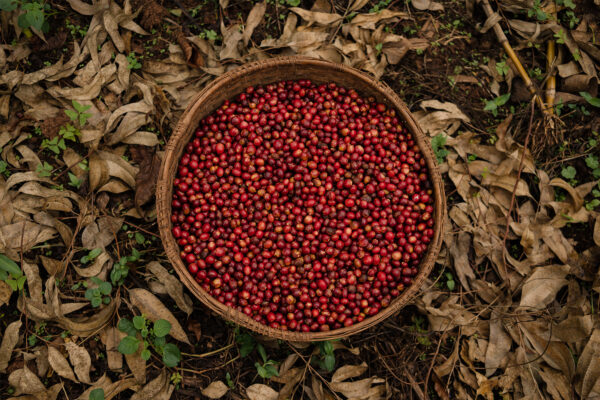
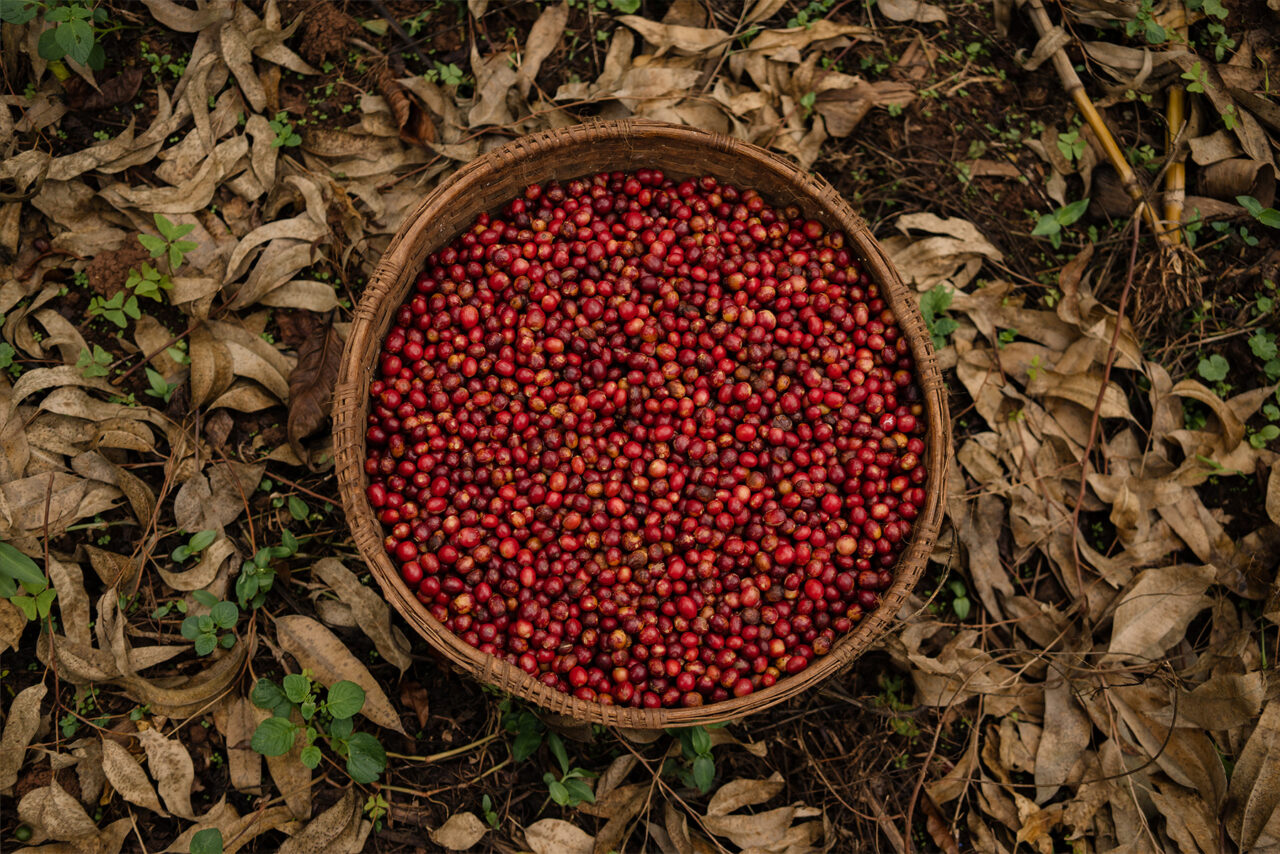
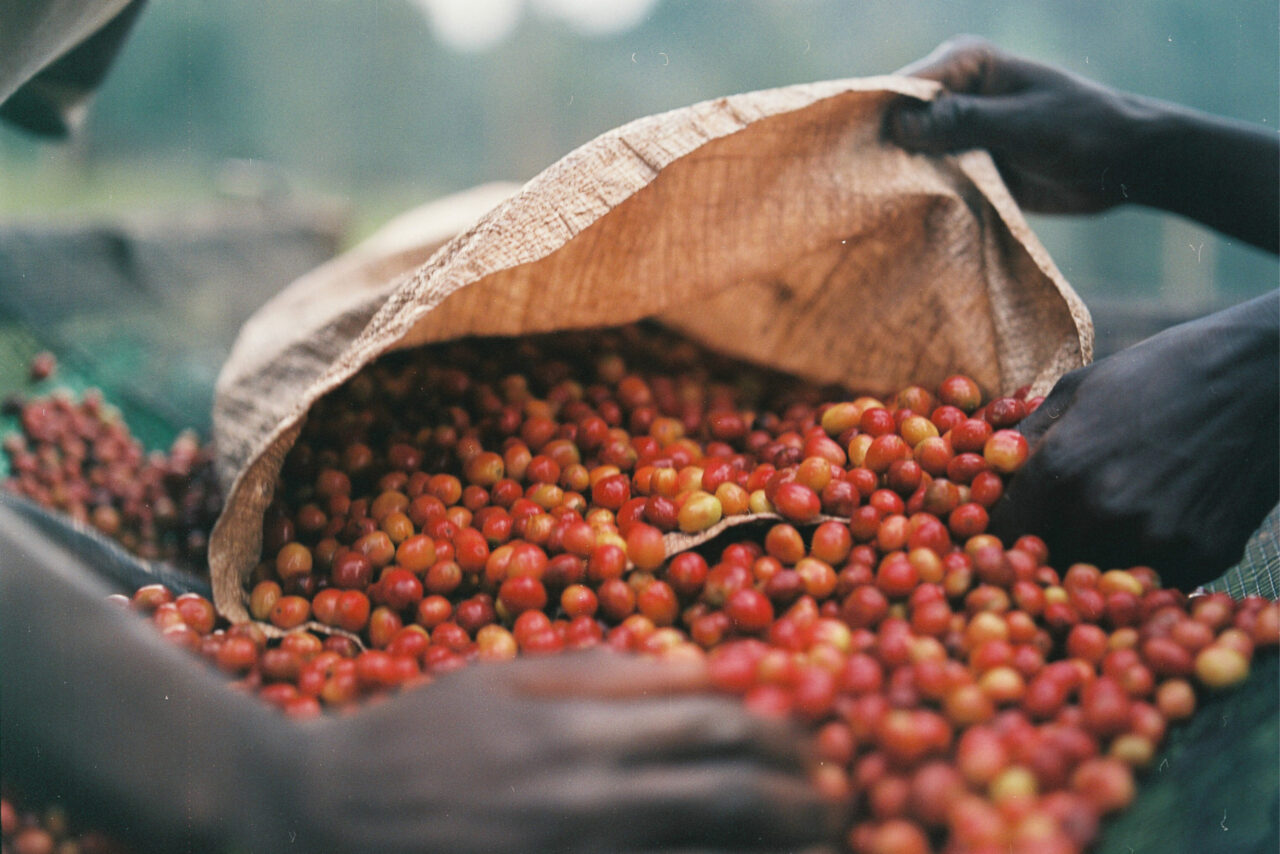
    coffee cherries, coffee seed, coffee tree, long miles coffee project, coffee harvest

    The second big shock of the year came in the form of a new policy set in place by the Burundi government.

    Just as we were in the process of exporting our first container of the year, a new policy made it such that all coffee must be paid in full before it could be loaded into a container.

    This may sound small and simple enough, but simply put, it is not how this type of business is/has been done. Getting financial institutions to quickly pivot on how six figure transactions are handled is no easy task. Especially at a time when risk analysts are seemingly much more hesitant than in recent years. We are very grateful to our importing partners who have been able to be nimble and make exceptions to how business is normally done in order to get coffee moving.

    Lastly, there is the current state of the shipping industry. Most people are now aware because of the contents of their grocers shelves that shipping and logistics have been a nightmare for the past sixteen months or so. It is no surprise that everyone in coffee exporting/importing has been experiencing these challenges first hand. East Africa, in general – and Burundi, specifically – is never a logistics cakewalk.

    Last year, a normal quote from Dar es Salaam, Tanzania to New York would be somewhere around $1,200 per container. This year we have seen quotes above $13,000 – and these are not even guaranteed shipments.

    Despite these challenges, the quality produced this year was some of our best ever. The first USA-bound container is currently in a bonded warehouse in Dar as Salaam, waiting to be put on a ship. We are moving as quickly as possible to get the next three containers moving, as well.

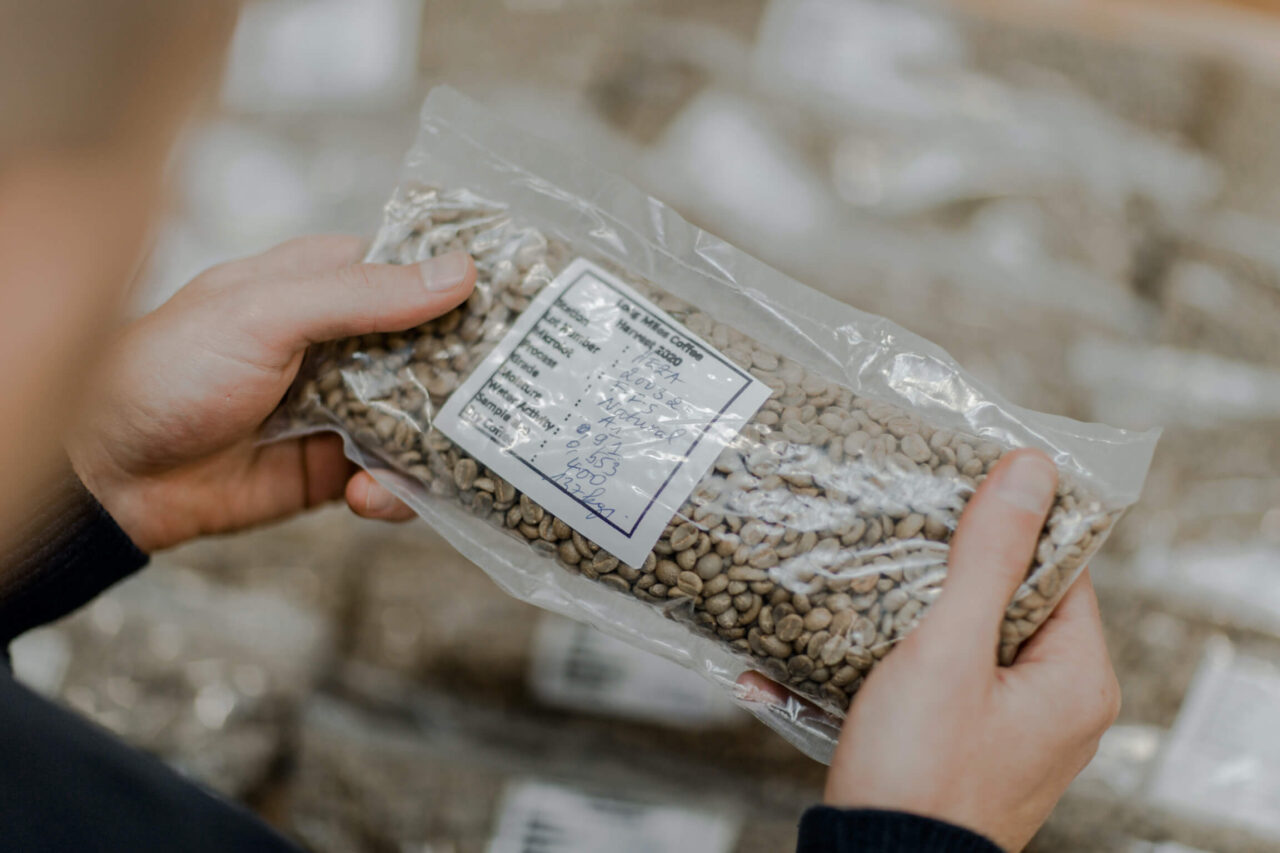
    Green coffee sample in a plastic bag in a person's hands

    The next container to move will be heading to Antwerp and the remaining two will go to the States. While most of the coffee is pre-sold, having been committed to partners with long-term agreements and contracts, we welcome you to reach out to david@longmilescoffee.com or info@longmilesscoffee.com to discuss next year and also our Kenya and Uganda offerings. The 2022 harvest flowering (that just took place in Burundi) is looking very promising. Add to this our projects taking off in Kenya and Uganda and we are hopeful that in the very near future we will have more than enough coffee for all of our partners. Please stay with us and please stay in touch.

  • Women in Coffee: Joy Mavugo of the Long Miles Coffee Story Team

    Women in Coffee: Joy Mavugo of the Long Miles Coffee Story Team

    Two Burundian on a coffee farm in Burundi

    Joy joined Long Miles in 2018, and has been an invaluable member of the Story Team ever since. With a background in public health, she uses every opportunity to share what she’s learned with partner farmers while listening to, and finding ways to share their stories.

    What is your earliest memory of coffee?

    I grew up seeing coffee being ground in our house because it is my dad’s favorite drink, but I had no idea of where coffee came from. In primary school, I learned that in Burundi we have industrial or export crops that brings foreign currency into the country. At that time, it was cotton, tea, and coffee. Something that confused me was hearing that coffee brings foreign currency into the country, meanwhile my dad was buying it in Burundian francs. But, as I was still a child, I didn’t ask.

    How and when did you get involved in the coffee industry?

    When I heard about Ben and Kristy [Carlson], before meeting them, I had been told that they are in coffee business. In my mind, being in the “coffee business” was the shops where people used to meet for coffee, places like Café Gourmand in Bujumbura, and other places like that. As I mentioned, I didn’t know anything about coffee apart from seeing my dad drink it. I never thought about working in coffee.

    In 2016, during coffee harvest, the Carlsons took me with to visit Bukeye Washing Station. There were two things that surprised me that first time visiting a washing station. One, was seeing so many people working there. Second, was seeing cherries. When they told me that it was coffee, the first question that came to mind was, “Are there two kinds of coffee?” This was the comparison I was making between coffee in the cup (the one I used to see my dad drink, and in the coffee shops), and coffee cherries at the selection tables.

    There were a couple of reasons that pushed me to work in coffee. Coffee connects different people from different cultures, different countries, and different continents. Coffee is people. This is the reason that I was interested to learn more about coffee, and is something that I am now proud to be a part of. Of course, there are still many, many things to learn in coffee, but at least today I can help somebody to understand coffee out of the cup.

    The second reason that pushed me to work in coffee is to help others with my degree in Public Health. I thought maybe there are people who need my help, especially in upcountry Burundi where many people don’t have access to information like they do in the city.

    Long Miles Coffee team visiting coffee farmers in Burundi

    What is your role in the coffee supply chain?

    I started working in coffee in 2018. My role is to listen to, collect, and share farmers’ stories. Working in coffee means a lot to me. I am working in the Story Team, and we are in communications. Together, we are helping the world understand the story of coffee: its origin, who grows it, what growing coffee looks like, what a coffee farm is like, what happens to coffee at the washing station, what the next step is after processing it at the washing station…

    I don’t use my background in public health every day, but there are always opportunities to do it. I have many examples, but I’ll just share one:

    I visited a coffee farmer on Gaharo Hill, and during the interview they explained the challenges farmers face, one of them being malaria. Both her husband and baby were sick with malaria at the time. While she was talking, I saw that in front of her house, there was a small farm of vegetables covered with a mosquito net. During our conversation, I asked why the mosquito net was covering the vegetables. She said that it prevented the chickens from eating the leaves. I asked her if she knows the cause of malaria, to which she replied, “It’s mangoes”. I asked her, why mangoes? “Because many people get malaria when it’s mango season”.

    I took the time to explain the actual causes of malaria, that mosquitoes are prevalent during mango season because of the rains during that time of year, and how to prevent malaria. It was a really valuable discussion!

    Apart from growing coffee, farmers are growing other crops that are good for their health, but don’t always eat them. Through the interviewing process, I’ve been able to help them to understand the relationship between food and health.

    Two women speaking to a child on a coffee farm in Burundi

    Are there any challenges that you think exclude women from working in coffee?

    There are no challenges that exclude women from working in coffee. The problem is the lack of information, or having access to false information. For example, women farmers have repeatedly heard something that’s not true, which is that “coffee is for men”. Other women farmers know that coffee can be prepared as a drink, but don’t know that there are many other things to do in coffee. Sometimes, women in Burundi don’t have enough time to research as men do.   

    When you consider the coffee industry, do you think that women are empowered to be in leadership and decision-making roles?

    In the coffee industry the number of women must be less than men, but those women who are there are empowered to be in leadership and decision-making roles.

    Burundian woman working in a coffee storehouse in Burundi

    Is there anything that you would like to learn or do to further your understanding of how coffee is produced or processed?

    I would like to improve my photography skills, and how to share information on social media. 

  • Long Miles x Leaderboard Coffee

    Long Miles x Leaderboard Coffee

    Earlier this past summer, Grant Gamble of Culture Coffee Project reached out to us asking if we would like to contribute to a new project that he had somewhat recently launched with Suneal Pabari. Seasoned pros, Grant has put on countless well-known and well-attended coffee events, and Suneal is one of the founders of The Roasters Pack. Fittingly, their brainchild, Leaderboard Coffee, is a coffee subscription- of sorts. Yes, it is a curated selection of ten unlabelled (intended to be tasted blind) coffees you receive in the mail, but Leaderboard has the look and feel of a coffee event- a really fun and educational one at that. 

    Designed for both coffee enthusiasts and coffee professionals, Leaderboard, “…believe[s] that learning about coffee should be fun, not intimidating.” While receiving ten unlabelled coffees to taste side-by-side is a hugely educational process in itself, Suneal and Grant have gone even further. Firstly, they have created a quiz that has an interface based on the concept of a “real-life-video-game,” and secondly, they have connected with coffee professionals around the globe to create content that helps the players of Leaderboard better identify the coffees they are tasting.

    “…learning about coffee should be fun, not intimidating.”

    It was for this reason that Grant reached out to us. Ben Carlson, co-founder of Long Miles, along with David Stallings, who handles Roaster Relations for Long Miles, together created a thirty-three minute long video for Leaderboard. In the video, Ben dives into the history of coffee production in Burundi, and David talks about tasting coffees from the Great Lakes region of East Africa, generally and Burundi coffee, more specifically.

    Watch the video below, and definitely check out Leaderboard! If you are interested in expanding your coffee palate and learning more about coffee producing countries, processing methods, coffee varieties, and more, Leaderboard is an amazing and fun resource!

  • Women in Coffee: Aline, Assistant Manager of Coffee Quality Control

    Women in Coffee: Aline, Assistant Manager of Coffee Quality Control

    Growing up, Aline didn’t know that one day she would work in the coffee sector in Burundi. She joined the Long Miles team back in 2014 as a supervisor of the teams hand-picking parchment coffee for defects. Now, Aline is the Assistant Manager of Coffee Quality Control at Bukeye Washing Station.

    Burundian women hand-picking parchment coffee

    What is your earliest memory of coffee?

    When I heard about the Long Miles Washing Station on Gaharo hill, I decided to ask if they had a job for me. I had no idea of what happens at a coffee washing station, and didn’t know anything about processing coffee. At the time, the washing station manager told me that there were no jobs for women, that there were only jobs for men. I asked him to give me a chance working there so that he could see that I was capable of learning. After a month, he appreciated how I worked and he offered me a full-time job.

    What is your role in the coffee supply chain?

    When I started out, I was in charge of supervising the hand-picking team. Now, I am the Assistant Manager of Coffee Quality Control at Bukeye Washing Station.

    What does a ‘’typical day’’ look like for you?

    During coffee harvest, I do the same thing: control the steps that coffee goes through, especially during the hand-picking stage at the cherry selection tables.

    Burundian women hand-picking parchment coffee for defects

    What does working in coffee mean for you?

    It’s proof that women , especially in the rural areas of Burundi, are as capable of working in coffee as men.

    Are there any challenges that you think exclude women from working in coffee?

    I think that the challenges for some women- not just those working in the coffee sector- is that they are working mothers. Working at night can be a big challenge. I think that this is the reason why men say that women are not able to work in coffee, but for me it’s not a question of being able but how many responsibilities a woman has to take on.

    When you consider the coffee industry, do you think that women are empowered to be in leadership and decision-making roles? 

    In the organization that I work for, a woman has the same place as a man. Gender is respected. There are women representatives in all the teams, and they can make decisions in their roles.

    Burundian woman hand-picking parchment coffee for defects

    Is there anyone in the coffee industry who inspires you?

    I don’t know yet.

    Is there anything that you would like to learn or do to further your understanding of coffee? 

    Working in the coffee sector has given me the opportunity of learning many things. I can even teach others what I’ve learnt. In Burundi, there is no school for teaching you about coffee, but working in coffee is a lesson in itself. You can learn as you work. I have learnt about coffee quality, from cherry to parchment, but I still need to learn more about coffee quality from parchment to cup.

error: